Demonstrating automation without boring the prospect
The best demo of an AI receptionist takes under a minute and happens on a phone in a van. Why screen-sharing dashboards loses deals, and how to structure a demo that sells itself.
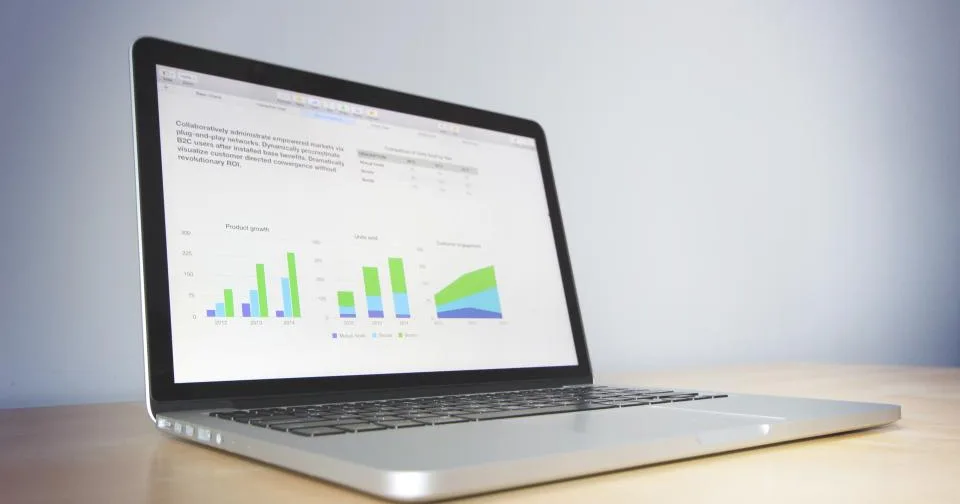
Most demos fail for the same reason. The person giving the demo is interested in the system and the person watching it is interested in their own afternoon. Ten minutes into a screen share of dashboards, call flows and configuration panels, the prospect has stopped listening and is thinking about the job he has at three o'clock.
This is entirely avoidable. The demo for this kind of service is unusually easy, because the thing you are selling is a phone call, and everyone already has a phone. Used properly, the demo is the shortest and most persuasive part of the whole sales conversation.
The one-minute phone demo
Here is the entire method. You are standing in a workshop, or a reception, or a car park outside a unit. You have been talking for a few minutes about missed calls. You say:
Give me your phone a second. Actually - keep your phone. Ring this number.
You give him a number. He rings it. It answers, in a natural voice, as if it were his own business. It asks what he needs. He says something like "yeah, my boiler's making a noise". It asks a couple of sensible questions - where he is, whether it is urgent, when he is usually around. It says someone will confirm shortly. He hangs up. Ten seconds later a text arrives on his phone summarising the enquiry.
That is the demo. It took under a minute and you barely spoke during it.
What makes it work is that he did it, not you. He heard the voice through his own handset, in his own hand, the way his customers would. He is not evaluating a claim you made; he is reacting to something that just happened to him. There is a considerable difference between the two.
Why screen shares lose deals
A dashboard is a picture of the machinery. Nobody buys machinery. When you show a configuration screen you are implicitly saying "here is the complicated thing you will have to understand", which is the opposite of the message you want.
Worse, screens invite questions about screens. Can I change that? What happens if I click there? Does it work with my system? You end up in a technical conversation with someone who does not want a technical conversation, defending details that do not decide the sale.
There is a place for showing the interface - usually after they have decided in principle, when they want reassurance that they will be able to see what is going on. Even then, keep it to about thirty seconds: here is the list of calls, here is what each one said, here is where the bookings land. That is all anyone needs.
If you are meeting on a video call rather than in person, the phone demo still works. Ask them to ring the number on their mobile while you stay on the call and listen. It is arguably better, because you can hear their reaction as it happens.
Prepare the demo for their trade, not yours
A generic demo answering as "thank you for calling" is fine but forgettable. A demo that answers as if it were a plumbing firm, asks whether the water is currently running, and offers a morning or afternoon slot is a different experience entirely.
Before a meeting, spend ten minutes setting up a demo configured for that trade. If you are seeing an electrician, the questions should sound like electrical work. If you are seeing a dental practice, it should ask whether they are an existing patient. This is not a large amount of preparation and it changes the reaction from "clever" to "that's my business".
If you know the firm's name and it is a scheduled meeting rather than a cold call, configure the demo to answer with their actual name. It takes a couple of minutes. Watching someone hear their own company answered properly by a system they have not bought yet is about as close to a closing moment as this trade offers.
Let the silence do the work
The strongest thing you can do after the call ends is nothing. Do not narrate. Do not immediately explain how it works. Let him look at his phone, read the text that has just arrived, and form his own opinion.
Most people fill that silence themselves, and what they say tells you exactly how to proceed. "That's better than the girl at the answering service" means price is going to be easy. "Would it know I don't do commercial?" means he is already imagining it running on his line, which is a buying signal disguised as an objection. "How does it know what to say?" means he wants reassurance about control, and now is the moment to explain that you configure it around how his business actually works.
If you talk over that moment you lose the information and you lose the effect.
Demonstrating the automations is harder - do it differently
Call handling demos well because it happens in real time. The broader automations - follow-ups, reminders, review requests, quote chasing - do not, because they happen over hours and days. You cannot stand in a workshop and watch a reminder fire two days before an appointment.
So do not try. Instead, do one of two things.
Trigger one live and let it arrive. Set up a booking during the meeting and let the confirmation text land on his phone while you are still standing there. Then tell him the reminder does the same thing the day before, automatically, for every booking, without anyone remembering to do it.
Describe it as a sequence of events in his week. "Someone rings at half seven on a Sunday evening. It answers, takes the details, books them in for Tuesday. Monday morning you see it on your phone. Monday evening they get a confirmation. Tuesday morning they get a reminder so they're actually in. Tuesday afternoon, after you've marked it done, they get a message asking for a review." That is not a feature list. It is a story about a specific week, and it lands.
Avoid the temptation to show a flow diagram. Diagrams are how you think about the system, not how the client experiences it.
Do not demo everything
The most common self-inflicted wound is showing too much. You are proud of what the system can do, so you show the multilingual handling, the calendar logic, the escalation rules, the reporting. Each addition dilutes the one thing that was working.
Pick the single capability that maps onto the complaint he raised in the first five minutes, and demo that. If he said he misses calls on site, demo call answering. If he said people don't turn up, demo the reminder. Everything else is a conversation for after he has bought.
A useful discipline: decide before you walk in which one thing you are demonstrating, and hold to it even when the conversation wanders. You can always say "it does that too - I'll show you when we set it up".
Be honest about what it cannot do, during the demo
At some point in the demo the system will do something imperfect. It will mishear a word, or ask a slightly odd follow-up, or handle an edge case awkwardly. Do not pretend it did not happen.
Say what it is. "It picked that up wrong - accents in a noisy van are the hardest case, and that's why anything it isn't sure about gets passed to you rather than guessed at." You have just turned a stumble into evidence that you know the system properly and are not overselling it.
The same applies to scope. Tell him it will not price a job. Tell him it will not argue with an unhappy customer. Tell him that complex technical questions go to him, because they should. Prospects trust a demonstration that includes limits far more than one that appears flawless, because they have all been sold something flawless before. It also defuses several of the objections that would otherwise surface later.
Never demo a claim you cannot substantiate
There is a version of the demo that goes wrong quietly. It happens when the seller stops demonstrating what the system does and starts asserting what it will produce. "This'll double your conversions." "You'll pick up an extra job a week easily."
You do not know either of those things. You do not know his close rate, his prices, his capacity, or how many of the calls he currently misses would have turned into work. Asserting it may feel like enthusiasm but it is a claim you would have to defend, and the client who counts and finds you wrong is the client who cancels and tells other trades.
Stick to the observable. The phone gets answered. The details get captured. The booking goes in the diary. The reminder goes out. Those are all things that just happened in front of him, and they are enough to sell on. See the receptionist service for the honest description of what it does and does not do.
After the demo, go straight to the choice
The moment after a good demo is the moment of maximum interest, and it decays fast. Do not follow it with "I'll email you some information". Follow it with a decision that is easy to make.
Show three options, spend most of your time on the middle one, and ask which fits. If he needs to think, agree a specific day to speak again rather than leaving it open. "Shall I ring you Thursday morning?" is a small commitment that people generally honour.
Understand too that a good demo does not guarantee a sale, and no method does. Plenty of prospects will watch that phone call, be genuinely impressed, and still not buy - because of money, timing, a partner who handles decisions, or simple inertia. Finding clients is your own work and it takes persistence. The demo makes the conversations shorter and the good ones easier; it does not remove the need to have a great many of them.
If you want to feel the effect yourself before you take it to anyone else, ring the live demo from your own phone and pay attention to your own reaction in the ten seconds after you hang up. That reaction is the product. Everything else - the pricing, the packaging, the paperwork - is just what happens afterwards.
Want the agency already built?
The website, AI receptionist, chatbot, automations, service packages and sales resources, assembled into one business under your brand. You still build the client base.